
6 Types of Homes to Be Cautious About When Buying in Wilmington, NC
6 TYPES OF HOMES TO BE CAUTIOUS ABOUT WHEN BUYING IN WILMINGTON, NC
Wilmington and Wrightsville Beach are beautiful places to buy a home — but the wrong property in this market can lead to thousands of dollars in unexpected costs. As a coastal Realtor who has helped buyers relocate to the greater Wilmington area for years, I've seen firsthand what happens when buyers don't know what to look for before writing an offer.
This guide covers six specific types of homes that deserve extra scrutiny anywhere in the Wilmington, NC area, why they carry added risk, and exactly what to check on a walkthrough before you go under contract.
Why Wilmington Has More Hidden Traps Than Many Buyers Expect
Four things about our local geography and building stock make due diligence especially important here:
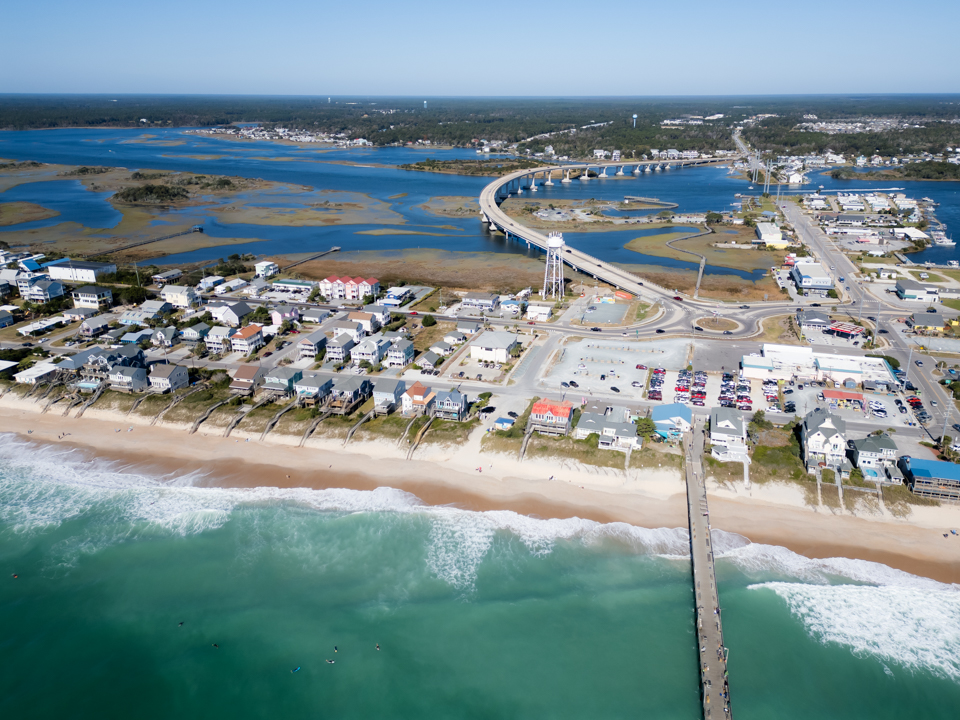
Coastal geography. Wilmington sits between the Atlantic Ocean, the Intracoastal Waterway, and the Cape Fear River. Every property here has a flood zone designation — the question is whether that zone requires flood insurance or not.
Hurricane history. Coastal North Carolina has been hit by storms like Florence, Matthew, and Hazel. That risk affects insurance costs, building codes, and which materials hold up long term.
Sandy coastal soil. Sandy soil drains well in normal weather, but with roughly 58 inches of rain a year — often delivered in large storm events — that same soil can create foundation and drainage challenges.
A mix of older and historic building stock. Downtown Wilmington has some of the most beautiful historic homes on the East Coast, and coastal weather is harder on older structures and foundations than out-of-area buyers often expect.
Understanding these four factors helps you evaluate almost any property in this market. Here's what to watch for.
1. Homes Near the Ocean or Intracoastal Waterway (Flood Risk)
Properties near the beach communities and portions of Wilmington near the ICW often fall into FEMA-designated flood zones. Many buyers don't discover the real cost until they're already under contract.
What it can cost:
Flood insurance through the NFIP averages $925/year in North Carolina, above the national average of $888
Optional coverage in an X flood zone may run around $1,000/year
Higher-risk coastal flood zones can run $5,000 to five figures annually
Flood zone properties can also appraise lower, which can complicate financing
What to check on a walkthrough:
The property's elevation relative to the waterway; request an elevation certificate if one exists
Signs of previous water intrusion, including water stains on exterior walls
Ground-level living space (converted garages, bonus rooms, additions) that sits below base flood elevation — insurance may not cover this space the way you'd expect
The crawl space for standing water, moisture, or signs of rot; crawl space repairs (encapsulation, dehumidifiers, sump pumps) can run $20,000 or more if issues are advanced
Current FEMA flood maps for the specific address, not just the neighborhood — maps change over time
Roughly 90% of properties in New Hanover County are not in high-risk flood zones, so this isn't a reason to avoid the coast — just a reason to check the specific address before you make an offer.
2. Older Historic Homes (Downtown Wilmington)
Downtown Wilmington's historic homes are gorgeous, but charm doesn't pay for foundation, plumbing, or electrical repairs. This applies to homes that are 80, 100, or even 150+ years old, as well as many brick ranch homes built from the 1950s–1970s throughout the area.
What it can cost:
Foundation crack repair: $5,000–$15,000
Electrical system replacement in pre-1980 homes: often a full rewire
Roofing on a large historic home: $15,000–$30,000+
What to check on a walkthrough:
Don't be fooled by cosmetic updates like fresh paint or new fixtures
Floors that feel spongy or uneven, or doors that stick
Electrical outlets and visible plumbing; galvanized steel pipe should be expected to need replacement
Musty odors, which can indicate moisture problems, wood rot, or mold
Inspection tip: For homes built before 1950, bring in specialists beyond a general inspector — a structural engineer for foundation concerns and a licensed electrician for wiring. Ask about lead-based paint testing for any home built before 1978, and request documentation for any major system updates.
3. Homes with Outdated Electrical Systems (Pre-1950 or Aluminum Wiring)
Homes built before 1950 with original electrical systems, and homes built from 1965 to the mid-1970s wired with aluminum wiring, carry real fire risk.
What it can cost:
A complete electrical upgrade: $8,000–$20,000, depending on size and complexity
Insurance complications: some carriers won't cover homes with outdated electrical, or will charge significantly more — which can delay or derail closing if your lender requires a policy to fund the loan
What to check on a walkthrough:
The electrical panel — a fuse box instead of a circuit breaker panel is a red flag
The number of outlets per room; older homes typically have fewer
Two-prong outlets, which can indicate ungrounded wiring
Flickering lights during the showing
Inspection tip: For homes built before 1980, have a licensed electrician perform a separate electrical inspection. Ask whether any prior electrical work was permitted and inspected, and get a specific fire-risk and repair-cost assessment if aluminum wiring is present.
4. Homes on Unstable or Poorly Drained Soil
Wilmington's sandy soils, heavy annual rainfall, and hurricane exposure can affect a home's structural integrity. Unstable soil — whether too wet or too dry — can lead to settling, uneven floors, wall cracks, and bowing walls over time.
What it can cost:
Mold remediation from water intrusion: $2,000–$5,000+
Foundation stabilization: $5,000–$20,000+
Full drainage system installation: $8,000–$20,000
What to check on a walkthrough:
Grading around the house — the ground should slope away from the foundation on all sides
Gutters and downspouts directing water away from the home
White, chalky residue (efflorescence) on masonry walls, which indicates water has been moving through it
If possible, walk the property during or right after a rainstorm to see how water actually moves
Ask the seller about any past moisture issues; listing agents are required to disclose known material facts
5. Condos and Town Homes with Poorly Managed HOAs
Low-maintenance coastal living is appealing, but the HOA managing a condo or town home community is a variable many buyers don't investigate closely enough.
What it can cost:
Monthly HOA fees in coastal condo communities commonly run $300–$800/month (often including master insurance, which can lower individual unit insurance costs)
Special assessments: underfunded reserves combined with coastal weather damage can lead to unexpected bills — assessments of $12,000 per owner are not unheard of
What to check before you buy:
HOA financial statements for the last two years, and whether the reserve fund balance is growing or declining
The reserve study, which estimates future major maintenance needs and funding
HOA meeting minutes for the last 12–24 months — minutes often reveal what's coming before it shows up in the financials
Whether roads, water, and septic systems are privately maintained
The physical condition of common areas — neglected landscaping or deferred exterior maintenance can signal management priorities
6. Waterfront and Intracoastal Waterway (ICW) Properties
Properties directly on the ICW or with water access are subject to environmental regulations and coastal building restrictions many buyers haven't encountered before, including setback requirements, septic system rules, and bulkhead or dock permitting.
What it can cost:
Septic system replacement near waterways: $15,000–$25,000, due to environmental restrictions on installation
Erosion stabilization: $20,000–$75,000+, depending on waterfront length
What to check before you buy:
Whether the property or any outbuildings are considered non-conforming (homes that have moved past the first vegetation line due to shoreline changes cannot be rebuilt if destroyed more than 50%)
Compliance with current setback rules — check with the county
The condition of bulkheads, retaining walls, or erosion control measures
The NC Department of Environmental Quality's coastal inlet hazard area maps for the property's specific location
A current survey showing setbacks and easements, plus documentation of any environmental permits for a bulkhead or dock
Septic system inspection records, if the property isn't on city or county water and sewer
The Bottom Line
Between flood insurance, foundation repairs, electrical upgrades, HOA surprises, and shoreline erosion, the wrong coastal property can cost $50,000 or more in unexpected expenses. Buyers who know what to look for — or who work with someone who does — can find excellent properties that deliver the coastal lifestyle without the financial surprises, or make an informed decision to take on repairs within their own budget.
If you're planning a move to the Wilmington, NC area and want a second set of eyes on a property before you write an offer, I'm happy to help. You can reach me at 910-218-8187.
Frequently Asked Questions
Are most homes in Wilmington, NC in a flood zone? No. Roughly 90% of properties in New Hanover County are not in high-risk FEMA flood zones. However, every property does have a flood zone designation, and it's important to check the current FEMA flood map for the specific address before making an offer, since maps can change over time.
How much does flood insurance cost for a home in coastal North Carolina? NFIP flood insurance averages about $925 per year in North Carolina, compared to a national average of $888. Costs vary significantly by flood zone — homes in an X zone may pay around $1,000/year for optional coverage, while homes in higher-risk zones can pay $5,000 or more annually.
What should I look for in a historic Wilmington home before buying? Focus on the major systems rather than cosmetic finishes. Check for spongy or uneven floors, sticking doors, outdated outlets, and galvanized or corroded plumbing. For homes built before 1950, bring in a structural engineer and a licensed electrician in addition to a general home inspector, and request documentation for any major system updates.
Why does aluminum or outdated wiring matter for financing, not just safety? Some insurance companies won't issue a policy on a home with outdated or aluminum wiring, or they charge significantly higher premiums. Since lenders typically require proof of homeowners insurance to close, an insurance denial due to electrical concerns can delay or derail your closing entirely.
What HOA documents should I request before buying a condo or town home in Wilmington? Ask for the HOA's financial statements from the last two years, the reserve study, and 12–24 months of board meeting minutes. The financials show where the HOA stands today; the minutes often reveal upcoming assessments or maintenance issues before they show up anywhere else.
— Kimberly Crouch, eXp Realty | Coastal Relocation Specialist | Wilmington & Wrightsville Beach, NC 25+ years of combined experience in real estate, finance, and accounting; former CPA (Currently Inactive); eXp ICON agent (top 2% of eXp Realty agents nationwide).
This article reflects market data reported as of April–May 2026 and is intended for general informational purposes. Home prices, tax rates, HOA fees, and insurance costs are subject to change — please verify current figures for any specific property before making a purchase decision. This content does not constitute legal, tax, or insurance advice.