Data Centers and Real Estate in Wilmington, NC: What Homebuyers and Sellers Need to Know
DATA CENTERS AND REAL ESTATE IN WILMINGTON, NC: WHAT HOMEBUYERS AND SELLERS NEED TO KNOW
If you've been following the news about data centers in North Carolina, you may be wondering what they could mean for property values, utility costs, and the future of the Wilmington area. It's a reasonable question, especially as our region continues to grow and more land is developed for residential, commercial, and industrial uses. But one important detail often gets overlooked: the rules governing data centers can be very different depending on whether a property is inside a town's limits or in the surrounding county. That distinction can make a meaningful difference when you're deciding where to buy or sell a home.
I'm Kimberly Crouch with eXp Realty, and I work throughout Wilmington, Wrightsville Beach, Leland, Hampstead, and the surrounding coastal communities. My team and I recently reviewed local zoning ordinances, county information, and public meeting coverage to understand what is actually happening with data centers in our area. We looked at five geographic areas, what their current regulations allow, and the infrastructure questions that could influence future development. Here's what I found and what I think buyers and sellers should understand before making their next real estate decision.
First, What Exactly Is a Data Center?
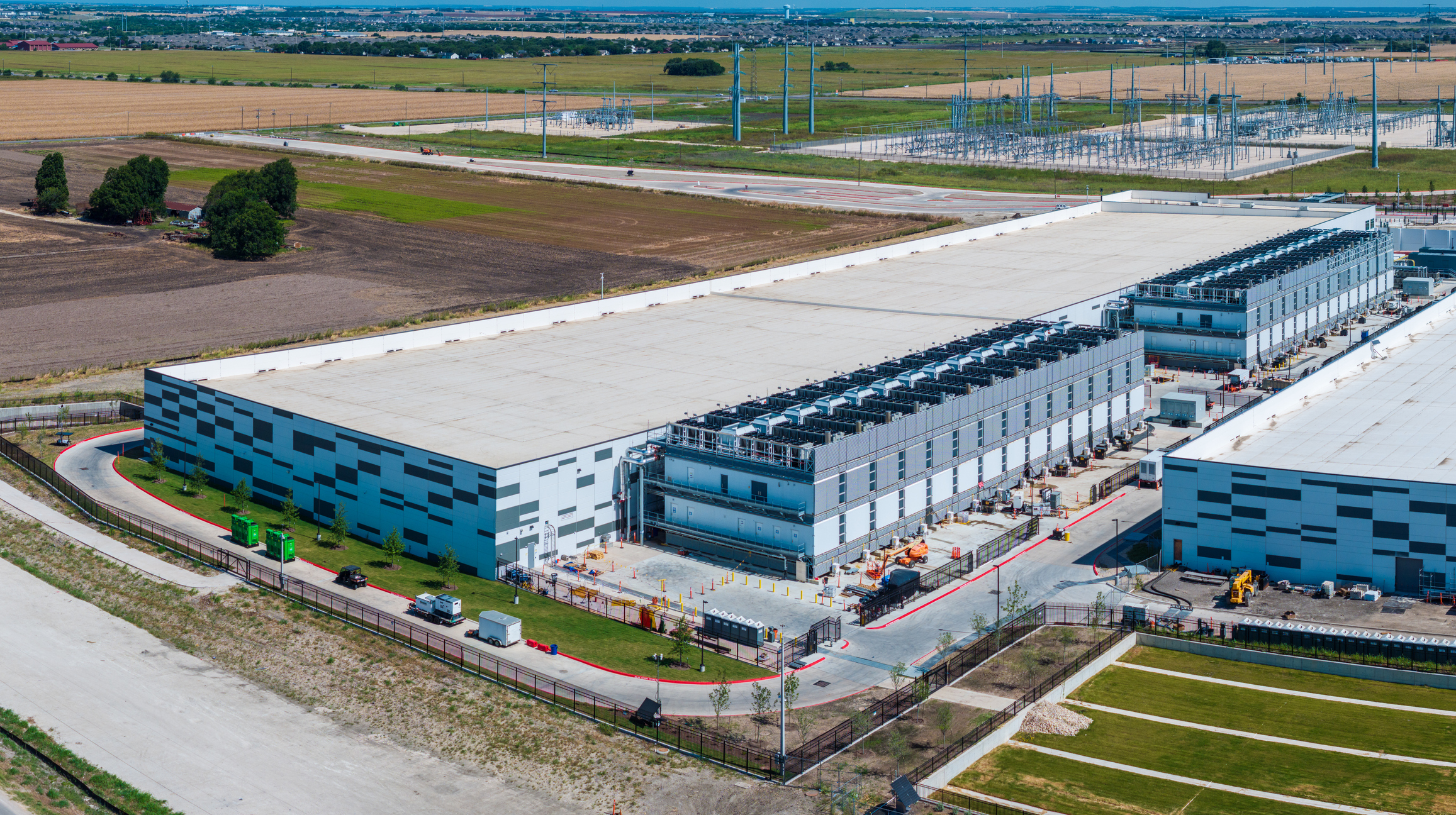
When you stream a movie, store information online, or ask an artificial intelligence tool a question, the information is processed somewhere. We often refer to that technology as living in the cloud, but the cloud is supported by physical buildings filled with computer servers. These buildings are called data centers, and they operate around the clock to process, store, and transfer enormous amounts of information. As demand for artificial intelligence and digital services increases, developers are looking for large parcels of land with access to substantial electrical power and the infrastructure needed to operate these facilities.
The concerns surrounding data centers generally involve three things: electricity, water, and noise. A report from Port City Daily citing Lawrence Berkeley National Laboratory stated that a large data center can use approximately 1.5 million to 5 million gallons of water per day for cooling, depending on the facility and its cooling system. Port City Daily also reported that cooling fans and generators can produce noise levels approaching 96 decibels at the source. Those figures help explain why communities across North Carolina are paying closer attention to where these facilities may be located and what requirements developers must meet.
There have already been high-profile discussions in other parts of the state. A proposed data center in Apex faced public opposition over concerns about noise and water use before the developer withdrew the proposal, and Matthews near Charlotte also saw a proposal withdrawn following community concerns. You may also have seen headlines about a $4 billion Amazon Web Services data center in Wilmington. That particular project is in Wilmington, Ohio, not Wilmington, North Carolina, which is an important distinction when researching local development news.
As of the local reporting discussed in the video, no large data center had been announced in the Cape Fear region. However, local governments were already reviewing their ordinances and considering how these facilities should be regulated if a proposal comes forward. Southport adopted a temporary moratorium in September, while New Hanover County commissioners began reviewing their data center regulations around the same time. The facilities themselves may not be here, but the conversation about where they could go has already begun.
Why Zoning Matters When You're Buying a Home
One of the most important things I consider when helping someone purchase a home is what could happen on the surrounding land in the future. A beautiful house, a great kitchen, and a well-maintained yard are all important, but the property doesn't exist in isolation. The zoning of nearby parcels can influence what types of development are permitted, what infrastructure may be added, and what the surrounding area could look like several years from now. That's why understanding local zoning is an important part of evaluating a property, particularly when you're buying from out of state.
A common assumption is that any data center development will automatically reduce nearby home values. The reality is more complicated because the location, zoning restrictions, infrastructure requirements, and approval process all matter. Some communities have adopted detailed rules that limit where a data center can be built, while others have broader industrial zoning that may allow certain projects with fewer public approval steps. Let's look at how those differences play out across five areas around Wilmington.
5. Shallotte: Strict Rules Keep Data Centers in Designated Industrial Areas
Shallotte, located in southern Brunswick County near Ocean Isle Beach and Holden Beach, has taken a proactive approach to data center development. In January, the town updated its development regulations to address data centers before receiving a proposal to build one. According to the Brunswick Beacon and Port City Daily reporting discussed in the video, a data center is permitted only in the town's heavy industrial district, which is primarily associated with the Shallotte Business Park near NC Highway 130. Even within that district, a project would require conditional rezoning rather than receiving automatic approval.
The regulations also establish substantial separation requirements. A data center cannot be located in a residential zoning district and must remain at least 1,000 feet from residentially zoned property. Additional 1,000-foot separation requirements apply to schools, daycare centers, parks, libraries, churches, and residential care facilities. The ordinance also prohibits data centers in flood hazard areas and includes requirements for visual screening, noise limitations, and cooling-system water discharge.
For someone purchasing a home in Shallotte, these rules provide a clearer picture of where a future data center could potentially be located. A project cannot simply be placed next to a residential subdivision without regard to the town's zoning and separation requirements. Buyers and sellers can use those written regulations as a starting point when discussing nearby industrial property. However, it's important to remember that future town councils can amend ordinances, and properties outside Shallotte's municipal boundaries are subject to different county regulations.
What buyers and sellers should know: Shallotte has established specific locations and separation requirements for potential data center development. If you're considering a property just outside the town limits, don't assume the same protections apply. Confirm the property's jurisdiction and the zoning of nearby parcels before making a decision.
4. Pender County: Growth, New Construction, and Infrastructure Capacity
Pender County includes communities such as Scotts Hill, Hampstead, Surf City, and Topsail, along with the growing areas north of Wilmington along US Highway 17. According to reporting referenced in the video, the county had not received a data center proposal at the time of filming. Its planning department indicated that it was monitoring the broader conversation, but there were no detailed data center regulations comparable to those adopted by Shallotte or Leland. That makes Pender an interesting area to watch because residential growth and infrastructure planning are already major parts of the local development conversation.
There are several new construction communities underway throughout the county. The video highlighted new homebuilding activity in the Scotts Hill area, along with communities such as Blake Farm, East Wind, and Delmare in and around Hampstead. One important factor influencing how much additional residential development can occur is wastewater capacity. A private company called Porus proposed a wastewater treatment facility intended to serve Hampstead and Scotts Hill, and the county planning board recommended approval in August, with the final decision still resting with the county commissioners at the time discussed in the video.
This infrastructure discussion matters because water and wastewater capacity are important considerations for both residential growth and large industrial facilities. A major data center that relies on water-intensive cooling could introduce additional questions about available resources and infrastructure planning. That does not mean a data center is planned for Pender County, nor does it establish that one would prevent future home construction. It simply means buyers should pay attention to how infrastructure decisions affect the timing and location of future development.
For buyers considering Hampstead or Scotts Hill, one of the biggest questions is what will eventually happen to the vacant land surrounding a property. An undeveloped parcel could remain open space, become another residential neighborhood, or be used for a different type of development depending on its zoning and approvals. Buyers should also understand whether a property relies on public water and sewer or has a private well and septic system, since those differences affect inspections and due diligence. If you're considering a resale home, remember that new construction communities are also competing for buyers, sometimes with builder incentives that influence the value proposition of an existing home.
What buyers and sellers should know: Pender County offers significant new construction opportunities, but infrastructure capacity and surrounding land use deserve careful attention. Sellers should understand what buyers are comparing their homes against, including nearby new construction. Buyers should investigate planned development, utilities, and the condition of any private well or septic system.
3. Unincorporated Brunswick County: Understanding What By-Right Approval Means
Brunswick County adopted data center regulations in 2023, earlier than many of the other local governments discussed in the video. However, there is an important difference between the rules in unincorporated Brunswick County and those within individual municipalities. According to the Port City Daily reporting reviewed for the video, data centers are allowed by right in the county's general industrial zoning districts. By-right approval means that a project meeting the applicable development standards can potentially be approved administratively without a separate public hearing or public vote.
The county's requirements include a 50-foot front setback and dense vegetation buffers when a proposed site is next to residential property. Those standards differ from Shallotte's 1,000-foot separation requirements and Leland's conditional zoning process, which includes public meetings and a town council vote. It's important to understand that the county's regulations and the public positions expressed by county officials are two separate things. During a June 1 commissioners meeting discussed in the Brunswick Beacon, county leadership expressed opposition to data center development, while also acknowledging that speculation about a potential project in an industrial park had not resulted in an actual proposal.
This distinction is especially important because Brunswick County continues to experience significant residential growth. According to the county development dashboard figures cited in the video, there were 61,918 approved housing units in unincorporated Brunswick County, with 9,290 already built at the time of filming. That means a substantial amount of approved residential development had not yet been completed, and some of the land surrounding future neighborhoods remains wooded or agricultural today. As those areas develop, buyers may find that the surrounding landscape changes considerably from what they initially saw during their home search.
If you're purchasing a home in unincorporated Brunswick County, I would encourage you to look beyond the immediate subdivision. Pay particular attention to large undeveloped parcels within a mile or two, especially those carrying general industrial zoning. Understanding whether a use is permitted by right or requires a public approval process can help you make a more informed decision. For sellers, having accurate information about nearby zoning can also help answer questions from buyers who are researching the area from another state.
What buyers and sellers should know: Brunswick County's general industrial zoning can allow data centers through an administrative approval process, subject to applicable standards. The county's publicly expressed opposition is relevant context, but it does not replace the written ordinance. Verify the zoning and approval requirements for the specific parcels surrounding any home you're considering.
2. New Hanover County: Separating Data Center Headlines From Local Development
New Hanover County includes Wilmington, Wrightsville Beach, Ogden, Porters Neck, Castle Hayne, and other communities throughout the area. It's also where I live, just a few miles from Wrightsville Beach, so I understand why questions about local growth and infrastructure come up regularly with buyers. One source of confusion has been the Amazon data center headline associated with Wilmington, Ohio. Here in southeastern North Carolina, Amazon's actual development discussed in the video is a robotics fulfillment center and a separate delivery station at Pender Commerce Park along US Highway 421 near the New Hanover and Pender County line.
That distinction matters because a fulfillment center and a data center are two very different types of facilities. A fulfillment center is designed to move and distribute packages, while a data center houses servers and requires substantial computing infrastructure. The Amazon facilities in Pender Commerce Park had begun operating during the summer and held their grand opening in October, with more than 1,000 people already working there according to the local reporting cited in the video. A data center, by comparison, typically requires a much smaller operating staff once construction is complete.
As of the local reporting discussed in the video, there was no data center proposal in New Hanover County. However, county commissioners began reviewing potential data center regulations in September, ahead of any formal proposal. In the meantime, other factors are influencing development and housing activity throughout the county, including road improvements, healthcare expansion, infrastructure projects, and the ongoing demand for coastal living. Those are the types of local considerations buyers should understand when evaluating properties throughout Wilmington and the surrounding communities.
Wrightsville Beach is a good example of how infrastructure projects can influence the day-to-day ownership experience without changing the underlying appeal of a location. The video discussed NCDOT's plans to replace three bridges along the route to the island, with construction expected to begin in fall 2026. Although two lanes in each direction were expected to remain open, bridge schedules and traffic patterns could change during construction. Buyers considering Wrightsville Beach, Landfall, or nearby neighborhoods such as Lionsgate should understand how these projects may affect their regular commute and access to the island.
For buyers in New Hanover County, I would focus on the property-specific factors that influence value and ownership. Flood-zone designation, beach access, water access, neighborhood amenities, and traffic at the times you normally travel are all worth investigating. Sellers should also be prepared for questions from buyers who are reading national headlines and may confuse developments in Wilmington, Ohio, with what is happening here. Having accurate local information makes it easier to keep the conversation focused on the actual property and its surroundings.
What buyers and sellers should know: The Amazon facility near the county line is a fulfillment operation, not the $4 billion data center discussed in headlines about Wilmington, Ohio. New Hanover County was reviewing potential data center regulations at the time of filming, but no local proposal had been reported. Road projects, coastal access, flood exposure, and other infrastructure improvements remain important considerations when evaluating local real estate.
1. Leland: Detailed Regulations and a Public Approval Process
Leland has taken one of the most detailed approaches to data center regulation in the Wilmington area. The town adopted a set of rules in March, and town staff indicated that no data center proposal had been submitted at the time discussed in the video. Under those regulations, a data center can only be considered within the town's designated innovation district, currently associated with Leland Innovation Park. The ordinance also establishes a minimum 500-foot separation from homes, residential land, schools, childcare facilities, parks, and farmland.
According to the town information discussed in the video, those restrictions leave approximately 115 acres where a data center could potentially be considered. Every project must go through conditional zoning, which includes a detailed site plan, two community meetings, and a final public vote by town council. That means a project cannot simply receive approval through a staff-only administrative process. The regulations also address operational requirements, including a maximum noise level of 60 decibels at the property line, renewable energy requirements, closed-loop cooling systems, and annual reporting.
The closed-loop cooling requirement is particularly relevant to the water-use concerns surrounding data centers. Rather than relying on a cooling process that continually consumes water through evaporation, a closed-loop system recirculates water through the system. Port City Daily cited an estimate suggesting this approach could reduce water use by more than 90 percent compared with certain conventional cooling methods. These requirements are intended to address some of the environmental and infrastructure concerns that have made data center development controversial in other communities.
Meanwhile, the larger development story in Leland is still centered on residential growth and healthcare. Brunswick Forest continues building out its remaining neighborhoods, and Terrapin Landing is another significant planned community discussed in the video. The development is associated with the planned Novant Health Leland Medical Center, for which the state approved a certificate of need in March. It's important to distinguish between a project receiving approval and a project being completed, since development timelines, infrastructure, and the final number of homes can change.
For buyers considering Leland, these regulations provide a relatively clear framework for understanding where a data center could potentially be considered and what approval process would apply. Sellers can also use that information when buyers ask questions about future development in the area. As always, the actual zoning of a property and its surrounding parcels should be confirmed rather than relying on a general description of the town. Municipal boundaries matter, particularly when comparing properties in Leland with homes in unincorporated Brunswick County.
What buyers and sellers should know: Leland has established a designated area, separation requirements, public meetings, and a town council approval process for potential data center projects. The town's current development activity also includes residential and healthcare projects that may have a more immediate impact on surrounding neighborhoods.
How Data Centers Could Affect Your Utility Bills
Even if a data center is never built in Brunswick County or New Hanover County, the broader growth of these facilities across North Carolina could still influence conversations about electricity costs. Large data centers require substantial amounts of power, and utilities must plan for the additional demand created by new facilities. Duke Energy Progress, which serves this part of North Carolina, has been involved in discussions about proposed rate increases and how the costs of expanding electrical infrastructure should be allocated. The video discussed an original request for an increase of approximately 18 percent over two years, followed by a smaller proposed settlement with state consumer advocate staff.
The North Carolina Attorney General opposed that settlement and advocated for large data centers to be treated as a separate customer class. The North Carolina Utilities Commission still had a final decision to make at the time discussed in the video. The broader issue is how utilities should recover the costs of generating and delivering electricity when major new customers create significant demand. Even communities without a local data center may be part of the statewide conversation about electricity rates and infrastructure investment.
The video also discussed Senate Bill 730, the Ratepayer Protection Act, which had passed the North Carolina House by a 69-to-44 vote on June 3. The proposed legislation included provisions intended to protect regular utility customers from bearing the costs associated with serving the largest data centers. It also addressed water standards and cooling practices. Because the bill's status can change, buyers and homeowners should check the current legislative record rather than relying on an older report when evaluating its potential impact.
Water is another important consideration, particularly in coastal communities where infrastructure capacity and environmental conditions already influence development. A large facility using evaporative cooling may have different water demands from one using a closed-loop system. Leland's local regulations address this issue directly, while other communities may have different requirements or may still be developing their policies. Understanding the water and sewer providers serving a particular property is a useful part of evaluating both existing homes and future development opportunities.
What Should Homebuyers and Sellers Check Before Making a Decision?
The most useful takeaway from all five areas is that you should evaluate the actual property and the land around it rather than relying on a general headline about data centers. A property inside a municipality may be governed by a very different ordinance from one located just outside its boundaries. Even within the same community, two nearby parcels may carry different zoning classifications and development rights. Taking time to understand those distinctions can help buyers make decisions with a better understanding of their surroundings.
Here are three areas I would pay particular attention to when researching a property:
1. Check the zoning of nearby large parcels. Look beyond the lot lines of the home you're considering and identify larger undeveloped properties within a mile or two. Determine whether they are residential, commercial, industrial, agricultural, or subject to another zoning classification. This can provide helpful context about what types of development may be considered in the future.
2. Understand the approval process. Not all zoning classifications require the same level of public review. In some areas, a permitted use may qualify for administrative approval if it meets the applicable standards, while other locations require conditional zoning, community meetings, and a public vote. Knowing which process applies can help you understand how future projects may be evaluated.
3. Research the infrastructure serving the property. Find out who provides electricity, water, and sewer service, and whether the surrounding area has known capacity limitations or planned improvements. If the property relies on a private well or septic system, make sure you understand the appropriate inspections and due diligence requirements. These details can matter just as much as the house itself when evaluating a long-term purchase.
For sellers, this information can also be useful when preparing to list a property. Buyers relocating from other states may be reading the same headlines you are, and they may have questions about future development, utility costs, and nearby industrial land. Having accurate, property-specific information available can help answer those questions without making promises about what will or will not happen in the future.
The Bottom Line: Know the Rules Where You're Buying
The Wilmington area is growing, and that growth brings opportunities as well as questions about infrastructure, development, and long-term planning. Shallotte has established strict separation requirements, Pender County is navigating residential growth and wastewater capacity, and unincorporated Brunswick County has a different approval structure for industrial development. New Hanover County is reviewing its approach, while Leland has adopted detailed regulations that require a public approval process for potential data center projects.
None of this means a data center is coming to a particular neighborhood, and it certainly doesn't mean that every home near industrial land will experience a change in value. What it does mean is that buyers and sellers should understand the local rules and the development context surrounding a property. Zoning, infrastructure, flood exposure, access, and the specific characteristics of a neighborhood all contribute to making an informed real estate decision. The more you understand before making an offer, the better prepared you'll be to decide whether a property and its location are right for you.
I sell throughout these five areas and have happy clients in each of them. This is the kind of local research I do because I live here, work here, and want my clients to understand more than just the house they're purchasing. If you're considering a move to coastal North Carolina within the next 12 months, I'd love to hear about the areas you're exploring and help you understand what's happening around them.
Call or text me at 910-218-8187 to arrange a conversation. Tell me about the coastal lifestyle you're looking for, and we can talk through the communities, property options, and local considerations that may matter most to your move.
Kimberly Crouch | eXp Realty
Authentic coastal luxury at every price point.
Frequently Asked Questions
1. Are there any data centers planned for Wilmington, North Carolina?
According to the local reporting discussed in the source video, no large data center proposal had been announced in the Cape Fear region at the time of filming. However, several local governments, including New Hanover County and Leland, had begun reviewing regulations to address potential future development. It is important to distinguish Wilmington, North Carolina, from Wilmington, Ohio, where the $4 billion Amazon Web Services project referenced in national headlines is located.
2. Which Wilmington-area communities have specific data center zoning restrictions?
Shallotte and Leland have adopted detailed regulations addressing where data centers can be located and what requirements they must meet. Shallotte restricts them to its heavy industrial district and establishes 1,000-foot separation requirements from residentially zoned property and certain other uses. Leland limits potential projects to its innovation district and requires conditional zoning, community meetings, and a public town council vote. Unincorporated Brunswick County has a different set of rules that allows qualifying data centers by right in general industrial districts.
3. Can a data center be approved without a public hearing in Brunswick County?
Under the Brunswick County regulations discussed in the video, data centers may be allowed by right in general industrial zoning districts if they meet the applicable development standards. This means qualifying projects can potentially receive administrative approval without a separate public hearing or public vote. However, requirements vary by zoning classification and jurisdiction, so buyers should verify the current ordinance and zoning of the specific parcel they're researching.
4. Could data centers increase electricity and water costs for Wilmington-area homeowners?
Large data centers require substantial electrical power, and their water needs depend on the cooling systems they use. The expansion of these facilities across North Carolina has become part of broader discussions about utility infrastructure, electricity rates, and protecting existing customers from additional costs. The actual effect on local homeowners depends on regulatory decisions, utility planning, infrastructure investment, and the requirements placed on individual facilities. No specific increase should be assumed without reviewing the current utility and regulatory information.
5. What should I research before buying a home near undeveloped land in coastal North Carolina?
Start by identifying the zoning of nearby parcels, particularly large tracts of undeveloped land within a mile or two of the property. Find out whether the land is residential, industrial, commercial, or agricultural and understand what approval process applies to potential development. You should also investigate the property's water and sewer service, flood-zone designation, access, and any applicable HOA or community restrictions. A local real estate professional can help you identify the questions to ask, while zoning officials and other qualified professionals can confirm the applicable rules and requirements.
— Kimberly Crouch, eXp Realty | Coastal Relocation Specialist | Wilmington & Wrightsville Beach, NC 25+ years of combined experience in real estate, finance, and accounting; former CPA (Currently Inactive); eXp ICON agent (top 2% of eXp Realty agents nationwide), top real estate professional in local market per the 2026 RealTrends Verified City Rankings, New Hanover and Brunswick County Real Producers Top 300 and Rising Star in 2025 and 2026.
Disclaimer: This article is for general informational purposes only and is not legal, financial, environmental, or utility advice. Zoning ordinances, development approvals, utility regulations, and infrastructure plans can change. The information and figures discussed are based on the source video and reporting referenced at the time of filming. Verify current regulations and property-specific information with the appropriate local government, utility provider, and qualified professionals before making a real estate decision.